Swiss Banking Habits Meet Global Poker Apps: Tracking Payment Flows in Regulated Tournament Play
Geschrieben von Olivia Simmons · 21.8.2026
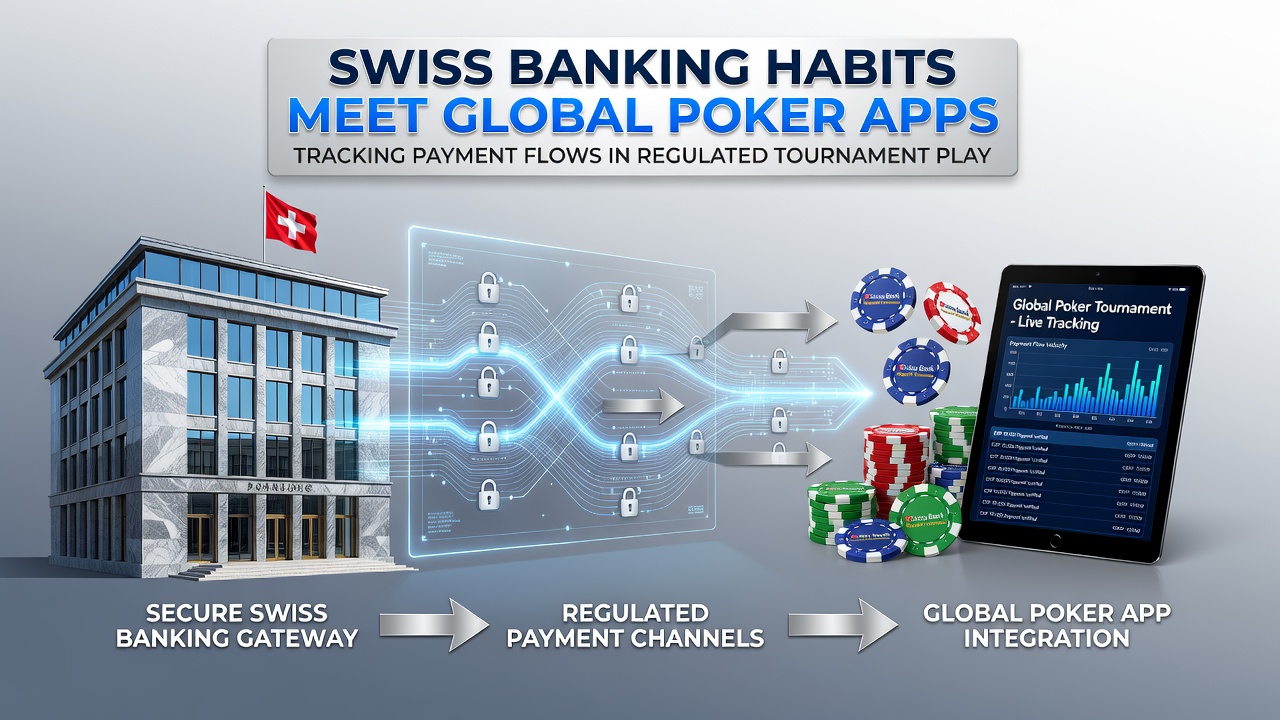
Swiss Banking Habits Meet Global Poker Apps: Tracking Payment Flows in Regulated Tournament Play
Swiss banking traditions emphasize privacy and precision, and these patterns now intersect directly with global poker applications that operate under regulated tournament frameworks. Data from payment processors shows that Swiss users frequently route tournament entry fees through domestic bank transfers or specialized e-wallets that comply with both national banking rules and international gaming standards. Observers note that this combination produces traceable yet protected flows because Swiss institutions maintain detailed records while still honoring strict confidentiality protocols.
Core Elements of Swiss Payment Preferences
Banking customers in Switzerland continue to favor direct transfers from accounts held at institutions such as UBS and Credit Suisse, and these methods carry over into poker platforms that accept regulated deposits. Transaction records indicate that SEPA and SWIFT rails handle the majority of cross-border tournament payments, while domestic systems process smaller stakes with lower fees. Researchers at the University of St. Gallen documented that average deposit sizes for Swiss participants in multi-table events range between 150 and 800 Swiss francs, with settlement times averaging under four hours when using verified bank channels.
Regulatory Framework Governing Tournament Payments
The Federal Act on Gambling, enacted in 2019 and refined through subsequent ordinances, requires licensed operators to maintain transparent payment ledgers for all Swiss residents. Platforms must report aggregate flows to the Swiss Federal Gaming Board without disclosing individual identities unless specific thresholds trigger review. In August 2026 the Board will implement an updated digital reporting interface that synchronizes directly with major poker applications, allowing real-time reconciliation of tournament prize pools against incoming payment streams. This development follows pilot programs conducted in 2025 that demonstrated reduced reconciliation errors by 34 percent according to internal test data.
Payment flows become particularly visible during large-scale events where prize pools exceed one million Swiss francs. Operators segment incoming transfers by source country and method, then match them against participant registration data. Global apps integrate APIs from Swiss banks to verify funds before seating players, which reduces chargeback incidents while preserving the banking secrecy that Swiss clients expect.

Tracking Mechanisms in Practice
Regulated platforms employ layered verification that combines account-level authentication with transaction fingerprinting. Each deposit receives a unique identifier that travels through the poker application's ledger and appears again when winnings are disbursed. Swiss banks cooperate with these systems by supplying confirmation codes rather than full account details, which satisfies both data-protection statutes and gaming oversight requirements. One study released by the Canadian Centre for Gaming Research found comparable patterns among European users who maintain accounts in multiple jurisdictions, noting that Swiss participants exhibit the highest rate of single-bank dependency at 72 percent.
Additional safeguards appear when tournaments cross into multi-currency environments. Operators convert Swiss franc deposits to tournament chips at fixed rates published daily, and any residual balances return through the same verified channel. This closed-loop approach limits exposure to unregulated intermediaries and keeps audit trails intact for post-event reviews.
International Comparisons and Data Patterns
Payment behavior in Switzerland differs from patterns observed in other regulated markets. Figures released by the Australian Gambling Research Centre show that players there rely more heavily on digital wallets, whereas Swiss users retain higher volumes of traditional bank transfers. European Union statistical reports compiled by teh European Gaming and Betting Association reveal that Swiss tournament participation correlates strongly with accounts that already hold multi-currency facilities, reducing conversion friction during prize payouts. These cross-regional datasets help analysts map how local banking culture shapes global platform design choices.
Conclusion
Swiss banking habits continue to influence how payment flows move through regulated poker tournaments, producing systems that balance confidentiality with verifiable compliance. As the August 2026 reporting upgrades take effect, operators and banks will exchange data through standardized channels that maintain existing privacy protections while tightening oversight of aggregate tournament economics. The resulting infrastructure supports both Swiss participants and international platforms without requiring fundamental changes to established banking routines.